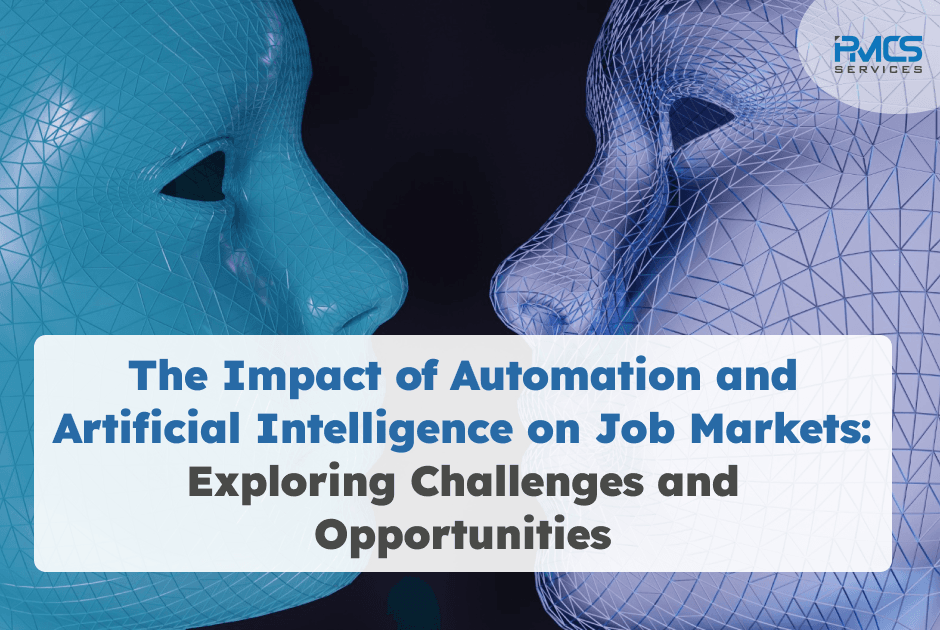

Automation and artificial intelligence (AI) are reshaping job markets worldwide. In this article, we delve into the implications of these technological advancements on employment, highlighting the challenges and opportunities that lie ahead.
The Changing Nature of Work
The integration of automation and AI has revolutionized workplaces by automating routine and repetitive tasks. This shift has resulted in increased efficiency and productivity, demanding a workforce with evolving skill sets to meet the changing needs of the job market.
Displacement and Job Loss
Concerns about job displacement and loss arise due to automation and AI. As technology progresses, certain roles and industries may experience a decline in demand for human labor. However, history demonstrates that technological advancements often create new jobs, offering opportunities for innovative roles that require specialized skills and knowledge.
Job Market Transformation
The transformation of the job market necessitates a shift in required skills and qualifications. Automation of routine tasks increases the demand for jobs requiring creativity, critical thinking, problem-solving, and emotional intelligence. Upskilling and retraining programs become crucial to equip individuals with the competencies needed for emerging roles in a changing job market.
New Opportunities and Industries
While automation and AI may eliminate some jobs, they also create new opportunities and industries. Innovation and entrepreneurship thrive with the development and implementation of these technologies. The emergence of new industries increases demand for specialized roles such as AI programmers, machine learning engineers, and robotics technicians, stimulating economic growth and employment opportunities.
Human-Machine Collaboration
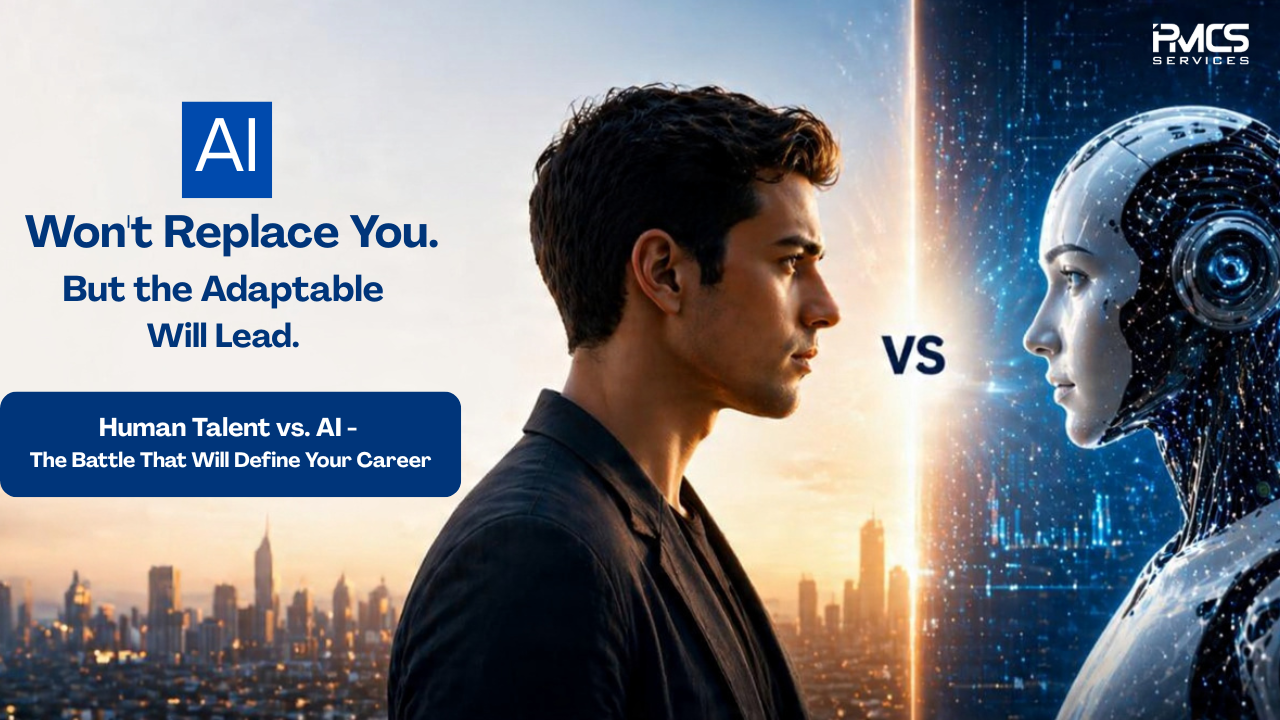
Rather than perceiving automation and AI as direct substitutes for human labor, we should foster human-machine collaboration. The synergy between humans and machines can lead to productivity gains. Machines excel at precision and speed, while humans possess creativity, adaptability, and empathy. This collaboration allows humans to focus on high-level decision-making and complex problem-solving, while automation handles repetitive tasks.
Preparing for the Future
To adapt to the changing job market, individuals, organizations, and governments should take proactive measures. Embracing lifelong learning, investing in reskilling initiatives, and developing creativity and soft skills are essential. Collaboration between industries, educational institutions, and governments can help identify emerging trends and develop targeted training programs.
Conclusion
While automation and AI present challenges, they also offer opportunities for growth and innovation. Adapting to the changing job market requires proactive measures and embracing the potential of human-machine collaboration. To learn about current job opportunities, visit PMCS Services.
If you are an employer, get started with Unnanu Hire to find the most qualified candidates.
If you are a job seeker, get started with Unnanu Talent to find the most relevant job for you. Be authentic and express yourself with our video profiles. Show your talents and experience to the most innovative companies. View Unnanu Jobs and create your free account by signing up.
If you are looking for an IT services provider, contact PMCS Services. The PMCS team would love to help you through these service contracts: ITSAC, DBITS, TIPS, Artificial Intelligence, IT Solutions, IT Consulting, and IT Staffing Services.