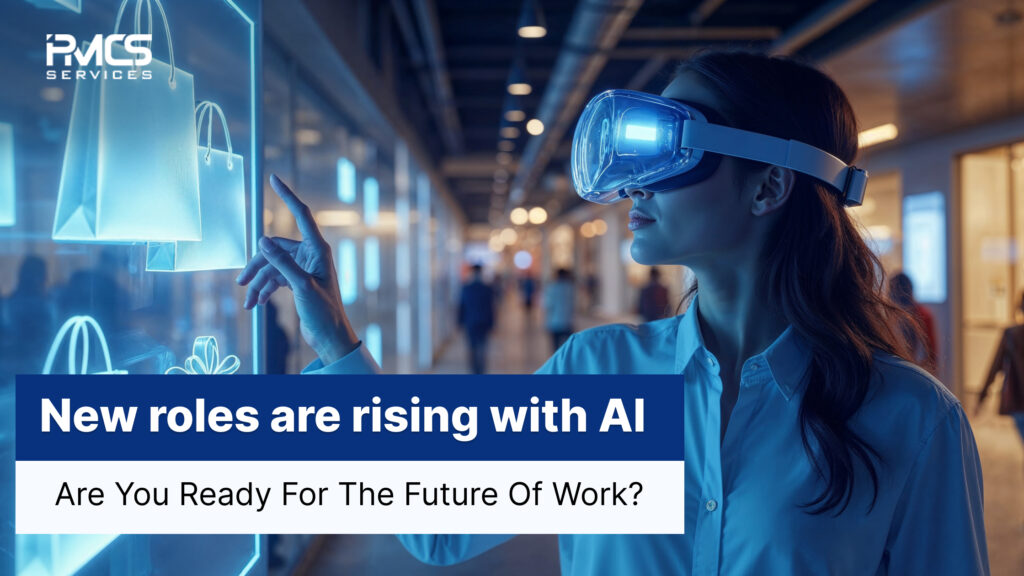

Artificial Intelligence (AI) has transitioned from a futuristic concept to a transformative force in the workplace. By automating repetitive tasks, AI is shifting the focus toward creativity, strategy, and human-centric roles. This evolution poses critical questions for today’s workforce and organizations like PMCS Services, a leader in tech staffing and consulting. As AI continues to redefine work, understanding its impact on careers is vital for professionals and businesses aiming to thrive in 2025.
AI’s Transformative Impact on Jobs
AI’s rapid integration is reshaping the job market. Companies are increasingly adopting AI to streamline operations, affecting roles across industries. Entry-level positions, particularly in IT, are evolving as automation takes on routine tasks. This shift challenges new graduates to adapt to a competitive landscape where traditional job paths are transforming. The pressure is on for workers to develop skills that complement AI’s capabilities, ensuring they remain relevant in a dynamic economy.
Automation: Redefining, Not Eliminating, Careers
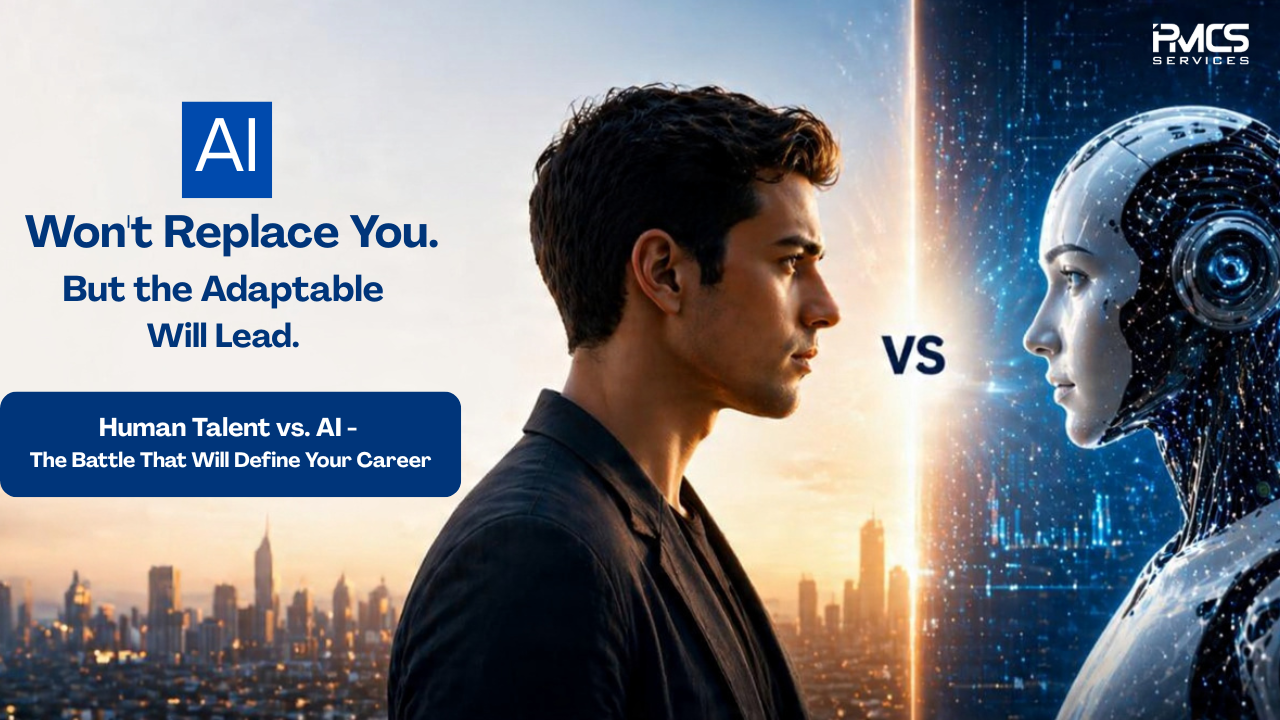
Contrary to fears of widespread job losses, AI is more about redefining roles than eliminating them. Forbes and the Financial Times note that AI automates specific tasks—such as data entry or basic coding—rather than entire careers. This creates opportunities for workers to focus on uniquely human skills like emotional intelligence, ethical decision-making, communication, and adaptability. Microsoft CEO Satya Nadella has highlighted that the real hurdle is not the technology but adapting team workflows to leverage AI effectively, emphasizing the need for organizational agility.
New Career Paths in the AI Era
AI is not just reshaping existing jobs—it’s creating new ones. Emerging roles like AI ethics officer, prompt engineer, and machine learning systems maintainer are gaining prominence. These positions require a blend of technical expertise and human judgment, offering exciting opportunities for professionals willing to upskill. In regions with growing AI investment, such as India, demand for talent in these areas is surging, signaling a global shift toward specialized, AI-driven careers.

Essential Skills for the Future
To succeed in 2025, professionals must cultivate a versatile skill set. AI literacy—familiarity with tools like ChatGPT or GitHub Copilot—is increasingly critical. Workers also need data savviness to interpret AI outputs and soft skills like problem-solving and ethics to navigate complex challenges. Continuous learning is non-negotiable, as rapid technological advancements demand ongoing education to stay competitive.
Strategies for Organizations and Professionals
Businesses must proactively prepare for AI’s impact. Investing in upskilling through training programs, fostering a growth mindset, and redefining job descriptions to emphasize strategic contributions are key. Ethical AI governance, especially in public sector or consulting projects, ensures responsible adoption. Professionals, meanwhile, should leverage platforms like Coursera or LinkedIn Learning to boost AI literacy, pursue certifications in AI ethics or machine learning, and network through tech meetups to stay ahead.
Building the Future with PMCS Services
AI-driven automation is redefining work by prioritizing human-centric innovation. PMCS Services empowers organizations to navigate this shift with intelligent staffing solutions and tech consulting tailored for the AI era. By embracing continuous learning and adaptability, businesses and professionals can turn AI’s challenges into opportunities, building a workforce ready for 2025 and beyond.